Despite the rallying cry of the environmental movement of the 1970s to ‘save the whales,’ whales are still not safe and continue to face a myriad of threats worldwide. Whales and dolphins are still hunted, captured, and shipped around the globe.
Hunted on an industrial scale for their oil, and in some countries for their meat, many species of great whales suffered catastrophic declines. Even though many nations have reversed course and recognize the devastating effects of whaling across the globe, others continue to hunt whales and dolphins for meat, fishing bait, or for captivity. The fight for the protection of these magnificent, but persecuted, creatures continues.
As if hunting were not enough, whales and dolphins face a gauntlet of human-generated threats that also endanger their ocean homes, including climate change, commercial fisheries, marine debris and other forms of pollution, and oil and gas exploration. Hunting pressures, alongside these other threats, are pushing some populations of whales and dolphins to the brink.
These hunts take many forms, and most are primarily commercial in nature. The dolphin drive hunts, profiled in The Cove, are a brutal practice that involves the herding of small whales and dolphins at sea where they are then driven and corralled into the confines of a cove in Taiji.
After sometimes being held for days within the cove, the dolphins are then slaughtered for meat or kept alive for sale to marine parks and aquaria across the globe. Annual quotas for drive hunts often reach into the thousands, where multiple species including bottlenose dolphins, striped dolphins, Risso’s dolphins, false killer whales and short-finned pilot whales, are killed or taken for captivity.
Large whales are still hunted commercially, and by Indigenous peoples. Currently, the primary countries conducting some form of commercial whaling include Japan, Iceland and Norway. However, other countries conduct legal whale and dolphin hunts including the USA, Russia, Greenland, Denmark, Canada, and several eastern Caribbean countries.
Illegal or opportunistic dolphin hunts occur throughout the Caribbean, South America, western Africa, and south Pacific, among other locations. The meat from these hunts is often eaten or used as fishing bait.
This summer, whaling activities took an unfortunate toll on whale families in many parts of the world. As the whaling seasons wind down, the following numbers reflect both quotas or actual numbers taken to date, and serve as an approximation until official numbers are registered.
The Faroe Islands. After the largest hunt of over 1,400 Atlantic white-sided dolphins on record occurred in September 2021, the Faroese government undertook a review of dolphin killing in the Islands. This review culminated in a new regulation that will allow 500 dolphins to be taken annually—a number far higher than normally taken in a year.
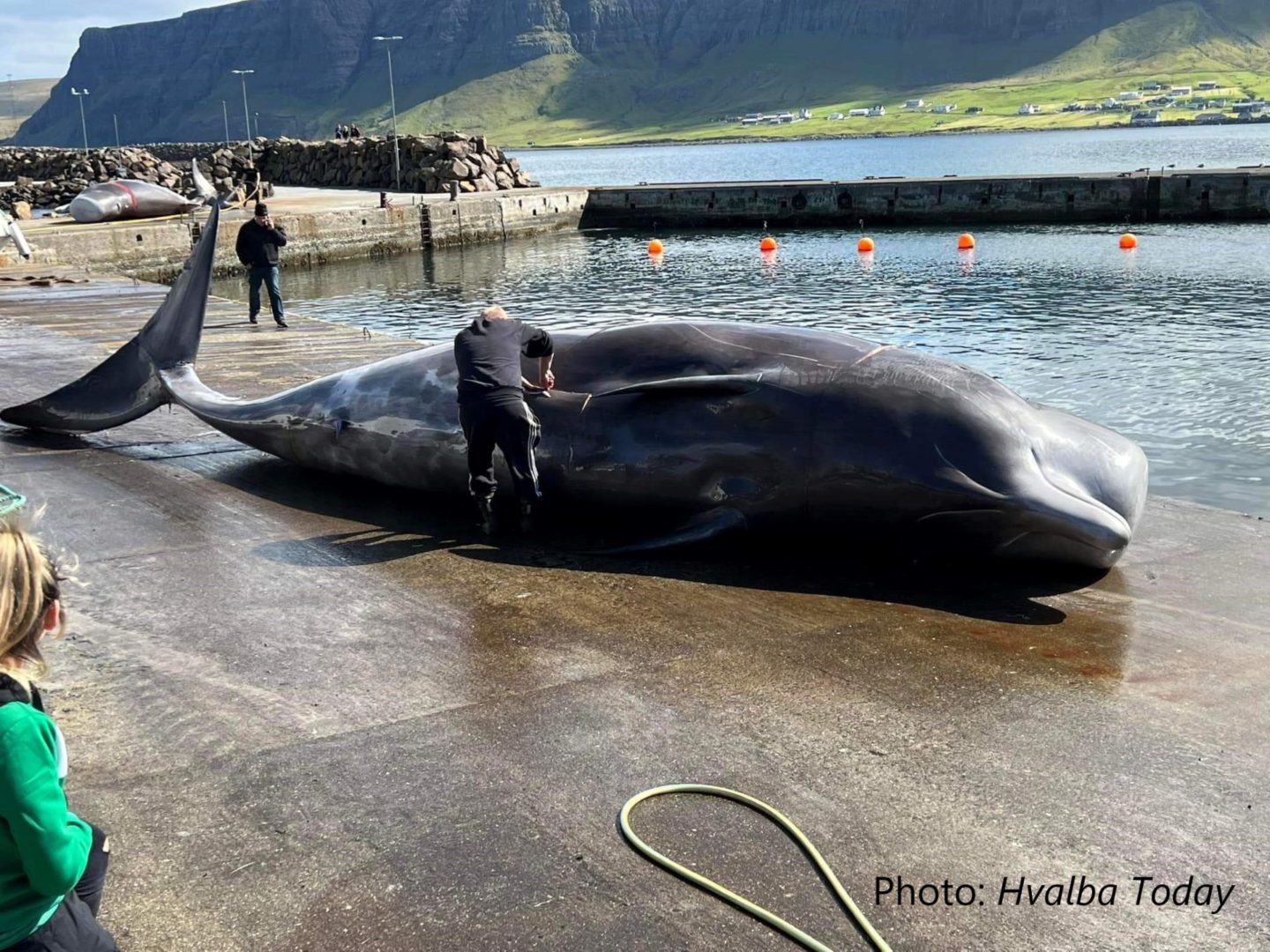
Dolphins are viewed differently, and considered separately, from pilot whales who continue to be hunted without an official cap on the numbers that can be taken—which usually numbers around 700 pilot whales per year. 667 pilot whales were killed in 2021 in 12 separate hunts, or grinds. At least 182 pilot whales have been killed since May 2022.
This summer, 100 bottlenose dolphins were killed on July 29th. Bottlenose dolphins are not commonly killed, and this high number shocked OPS and the international community. These hunts were followed by the slaughter of 6 bottlenose whales in mid-August under the claim that they had stranded. Bottlenose whales are a protected species under the IWC. Although not completely updated for 2022, the numbers of whales and dolphins killed in these hunts can be found here. The number and locations of hunts can be found here.
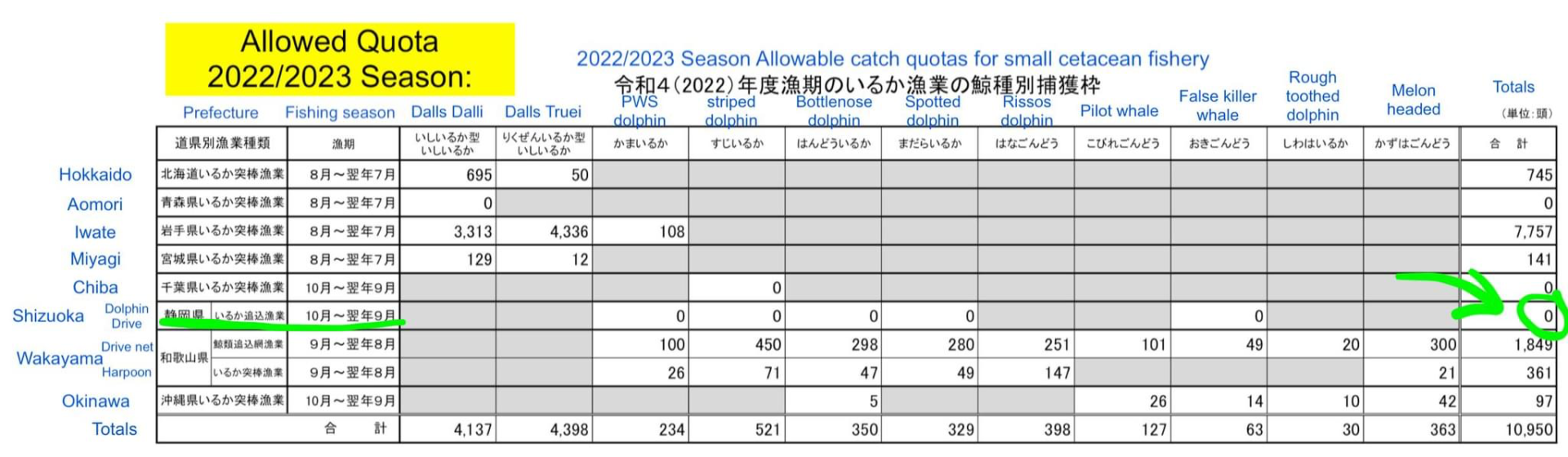
Taiji, Japan. A total of 1,849 dolphin and small whales that can be killed during the 2022-23 drive hunt season. This quota remains the same from 2021 when nearly 500 dolphins were slaughtered and 65 taken alive into captivity. On September 2nd, we received a grim report that a small family of 9 Risso’s dolphins was driven into the cove and slaughtered, signaling the official start to the drive hunt season.
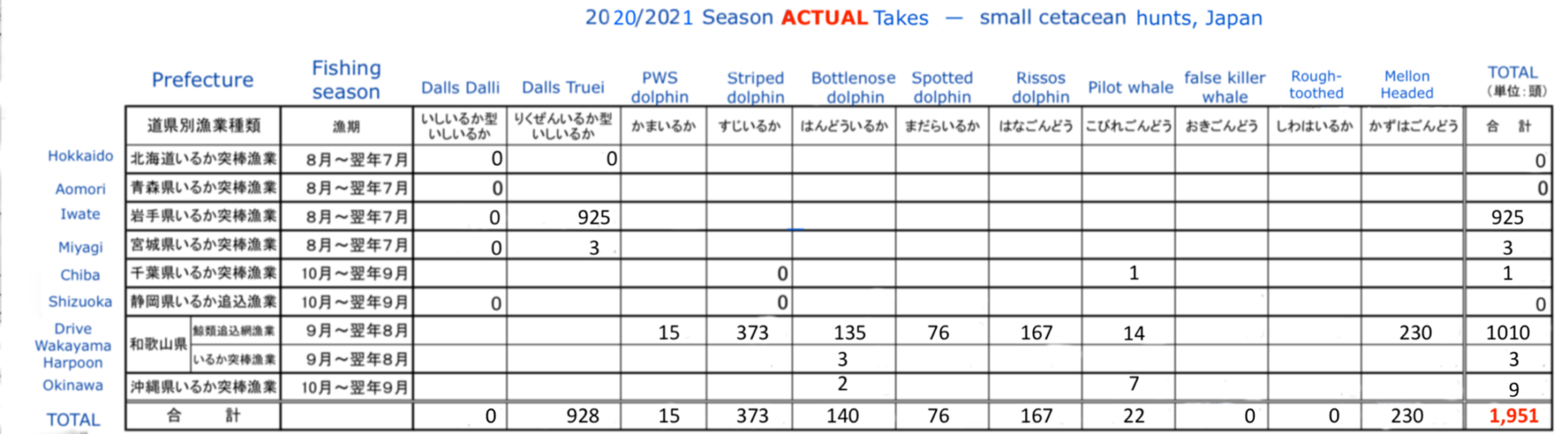
Quotas for all small cetacean around the coastline of Japan that can be killed in other types of hunts (e.g., hand-held harpoons) exceeds 10,000 individual whales and dolphins. While quotas are rarely reached, nearly 2,000 small whales and dolphins were taken in all types of hunts in Japan in 2020.
Japan’s 2021 quota for large whales for coastal whaling activities was 383 whales, including 171 minke whales, 187 brydes whales, and 35 sei whales.
Norway. In 2021, Norway killed 577 minke whales. This summer, and since the whaling season began in April 2022, 579 minke whales have been killed. The whaling season usually ends sometimes in September.
Iceland. The 5-year annual quota for 161 fin whales and 217 minke whales expires in 2023. This summer, and to date, 71 fin whales have been killed.
What you can do!
Learn more about OPS campaigns to address whale and dolphin captivity, hunting, and the development of whale and dolphin sanctuaries.
Send a message to the Prime Minister of the Faroe Islands requesting an end to all whale and dolphin hunts, now.

 Close
Close